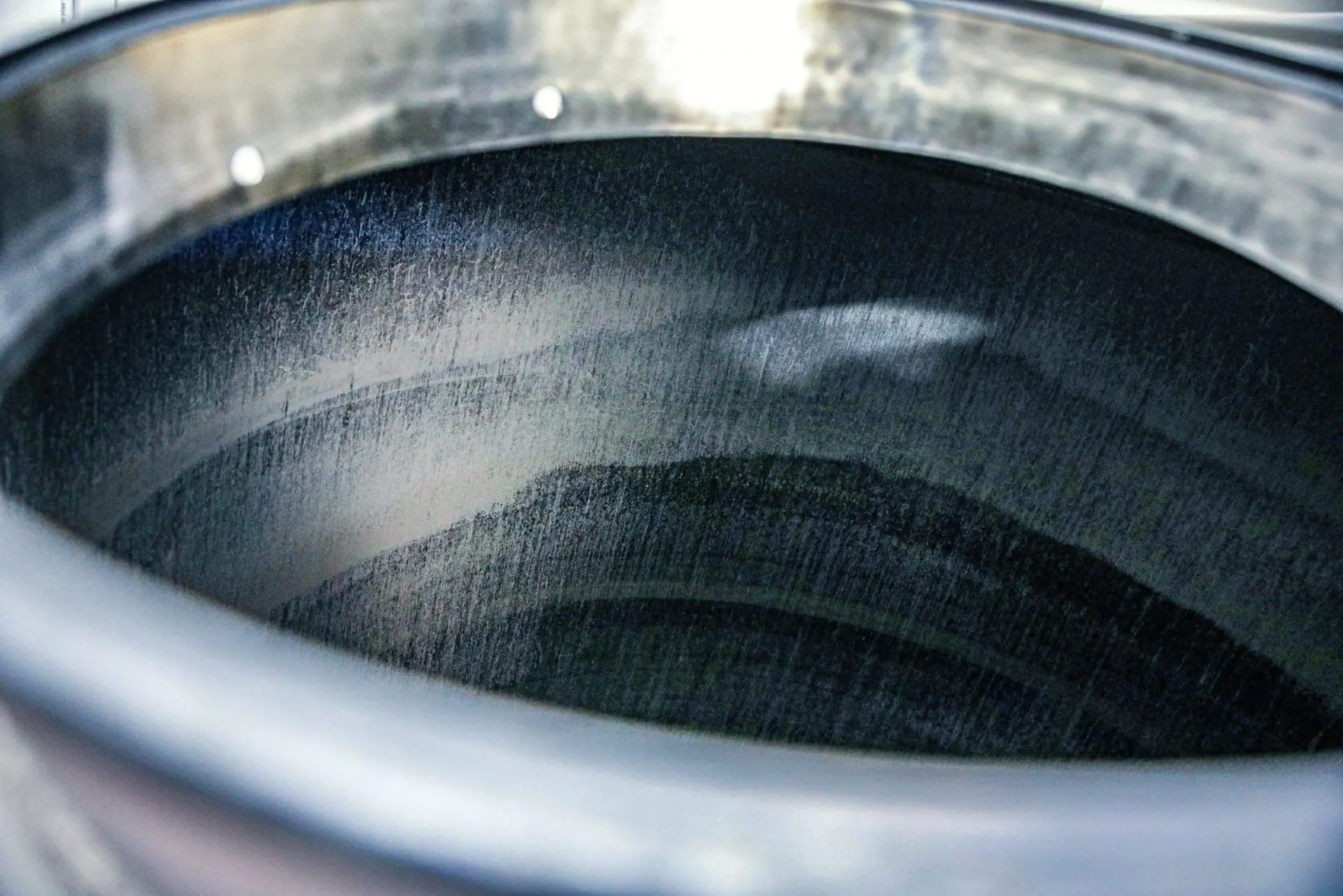
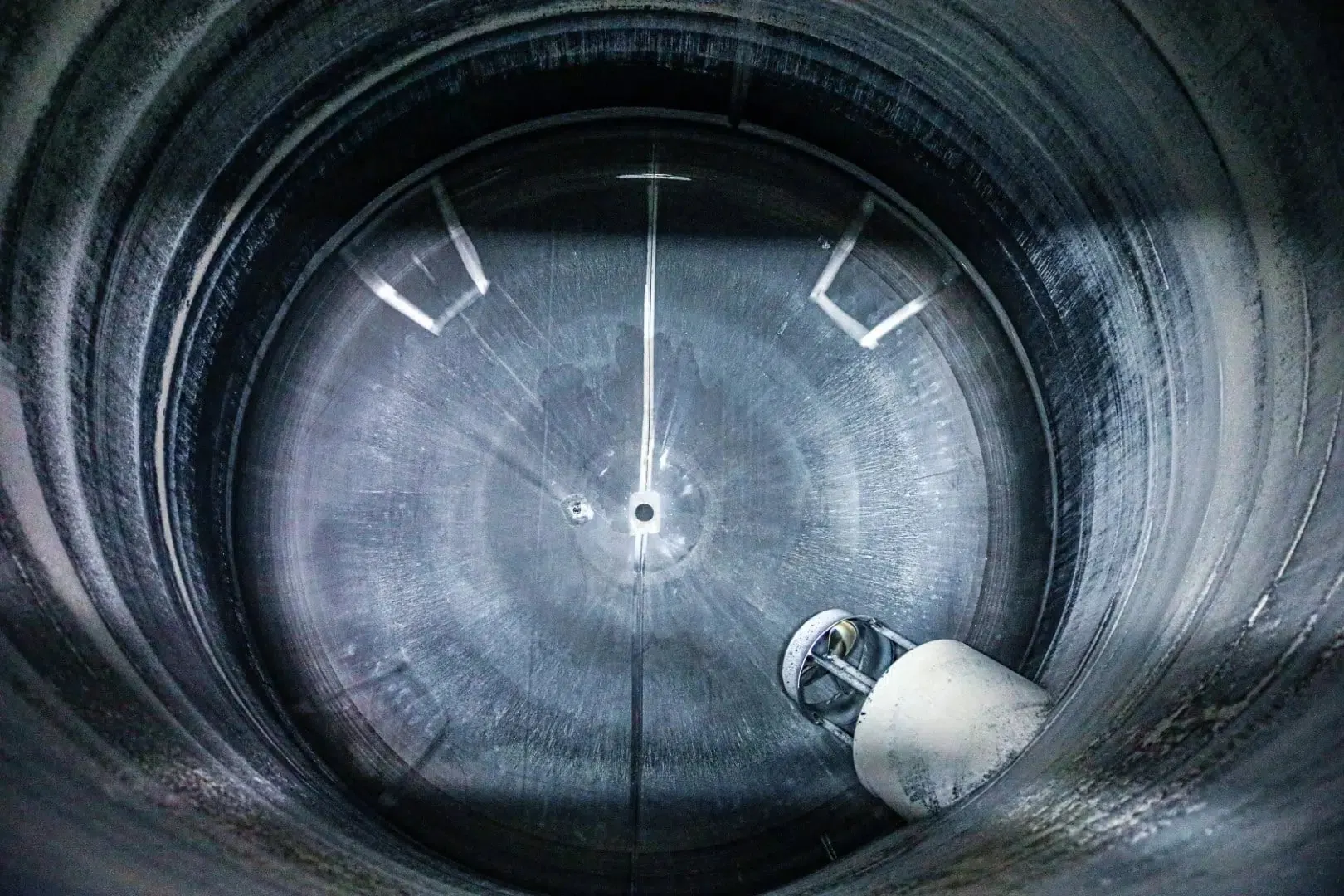
We clean IBC containers, tanks and vessels inside and out, including residues of oils, emulsions and other substances hazardous to water. With ultra-high-pressure water in our wash hall in Michelstadt and with proper disposal as a certified specialist company under the German Water Resources Act (WHG).
Your benefits
An IBC is only as good as its cleaning. Residues contaminate the next filling, and uncleaned empty containers are treated like full ones in dangerous goods transport. We clean your containers thoroughly and with full documentation, so that you can reuse them safely.
Tell us the number, type and previous contents of your containers. We will let you know promptly how we will clean them, what it costs and when you will get your IBCs back.
Process
From enquiry to return: a clear process that gives you planning certainty.
You tell us the number, type and last product held, ideally with the safety data sheet. From this, we define the cleaning process and disposal route.
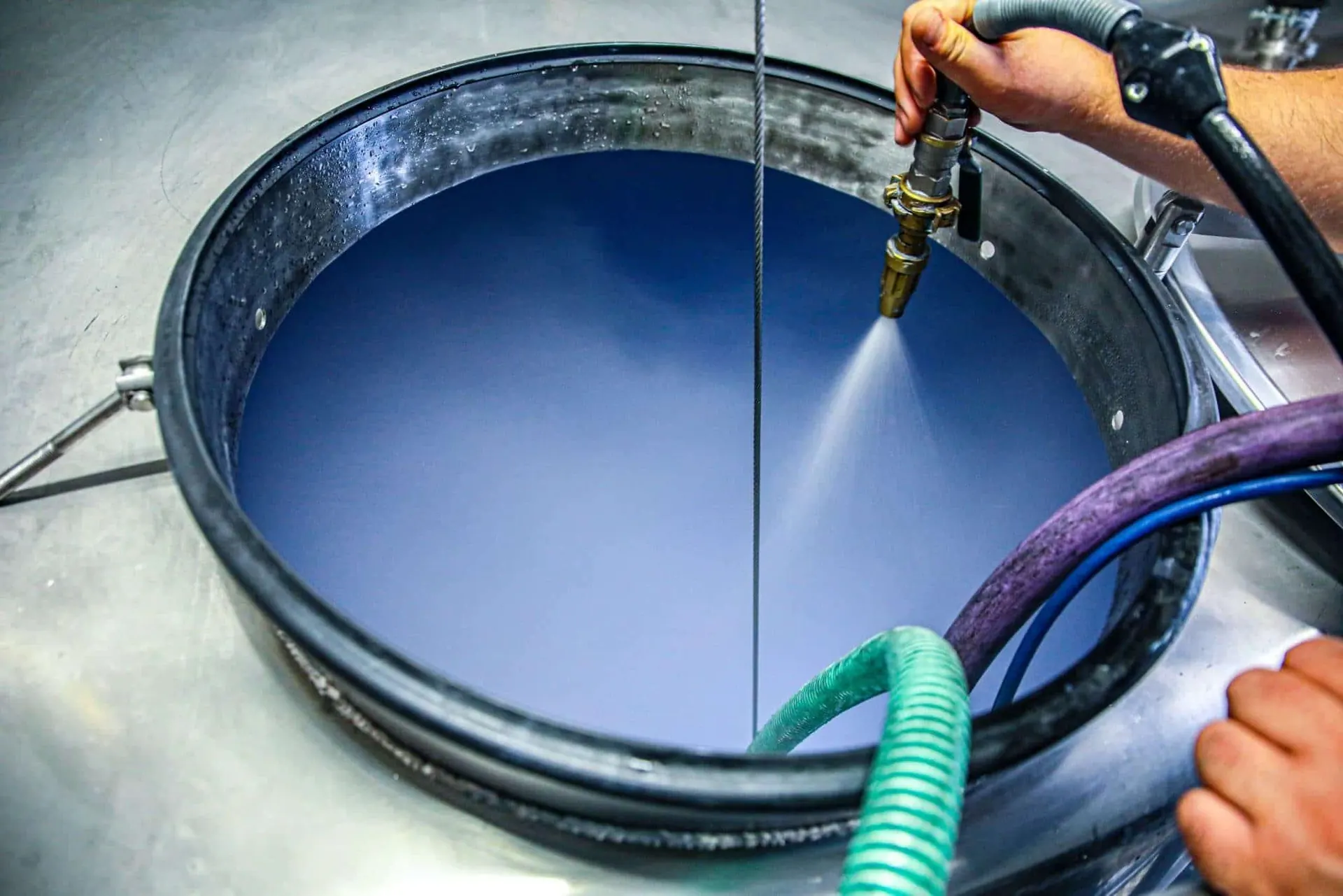
Residual quantities are drained, then we clean the inner container, fittings and cage with ultra-high-pressure water. Wash water and residues are collected and disposed of properly.
After a visual inspection you receive your containers back clean, with a cleaning certificate for your records on request.
Background
IBCs (intermediate bulk containers) are reusable containers, usually holding around 1,000 litres. They carry oils, emulsions, paints, cleaning agents and chemicals and are generally used several times. The precondition is thorough cleaning: residues can contaminate the next filling or react with it.
Fixed inspection intervals apply to the transport of dangerous goods. Under ADR, IBCs must be tested for leaks and external condition at least every two and a half years and undergo a full inspection, including the interior, at least every five years. For that, the container has to be clean.
In numbers
Key figures on container, process and experience.
0 l
Capacity
of a typical IBC container
0 bar
Ultra-high pressure
even for dried-on residues
0+
Years of experience
in industrial cleaning
Quality & Safety
Certified to DIN EN ISO 9001 and 14001 and a specialist company under the WHG: your containers and their residues are in certified hands with us.
ISO 9001
Quality management
ISO 9001:2015
ISO 14001
Environmental management
ISO 14001:2015
WHG
Specialist company
audited by TÜV SÜD
AMS-BAU
Occupational safety
certified by BG BAU
FAQ
The essentials of cleaning IBC containers and tanks.
Contact
Tell us about your plant and your requirements. We will get back to you promptly with an assessment and a suitable cleaning concept.